If you ask a college student how they are feeling about the current semester, you will most likely hear them say how stressed they are about various factors that surround college students. Not only the full time academic load, but the pressure of social life, as well as a job and extracurricular activities. Yes, all students have some level of stress when it comes to academics, but at the end of the day it comes down to how well we perform at these various tasks and activities. Through management and coping methods with stress, students will better be able to manage their time and current work load. Music can be used as a tool to help students cope, and certainly many use it. So, does music truly have a positive effect on students?
To begin, a study conducted in 1993 found that college students performed better in their academics and with spatial reasoning after listening to Mozart Sonatas (Qtd Hicks para. 1). Certainly, music does in fact have a positive impact on college students. “Listening to music can be relaxing and contemplative, the idea of listening to your iPod doesn’t make you instantly smarter”, says Ani Patel, an associate professor of psychology at the Tufts University. Patel has also written a book, “Music, Language, and the brain” (Qtd Hicks para. 2). Listening to music will not make you smarter, and that is not the claim here trying to be made. However, that music will relax you and allow you to enter a mood of relaxation and focus.
Furthermore, everyone is walking around in todays society with their hand-held devices and head phones listening to music. The availability to this simple service is so readily available today. We may instantly be able to listen to music, and whether it is from our hand-held devices, or a radio in the car, or playing in a shop, we are always exposed to music. Now even if you do not have a personal connection to music, think about all of the places that we find music. Most importantly in the shops and stores, it fills the background with some sort of noise. Imagine if there were no music. Even many years ago when these devices weren’t as accessible, music was always playing in public spaces. Just imagine a world with no music, no expression of lyrics, then you will discover its importance.
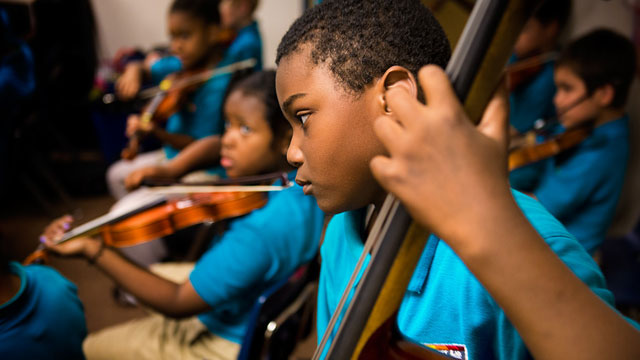
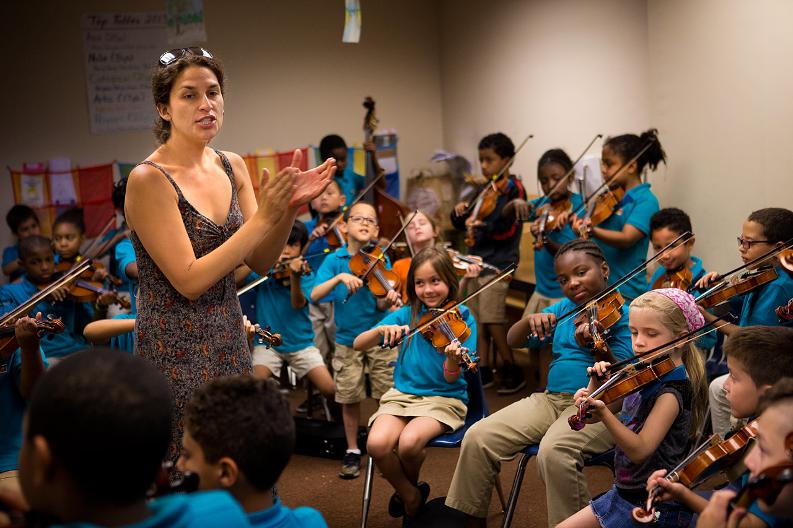
Secondly, Patel further states, “There’s a growing body of evidence that suggests learning to play a musical instrument does in fact impact other abilities” (Qtd Hicks para. 6). Playing a musical instrument may be difficult and takes a lot of time to practice, however the benefits and rewards make it well worth the time and patience required. Not only will you enjoy your new skill, but it will assist with your speech perception, the ability to understand emotions in the voice, and complete multiple tasks simultaneously (Qtd Hicks para. 6). Indeed, the ability to play a music instrument is difficult, but proven to help us in more ways then we may understand.
Music is about expressing emotions and creating a message through a song, even deeper through the instruments, and most of all through the lyrics. By listening to music and better understanding the messages and the emotion the singer and artists are trying to convey, we can better understand emotions than we could have before. Of course, maturity comes with this understanding of emotions, but music can better establish that mental connection for us. As well as learning a new instrument and skill with our hands allows us to become better skilled with multiple tasks at once, our mental processing is now smoother, and thus overall helps us to become more productive students.
Lastly, should young students start to learn an instrument at a young age? It has been considered to being music to students at a young age, so they will better develop these important abilities at a younger age. When we are young, it is much easier to learn a new skill and ability, just as the younger we are, the easier it is to learn a new language. To better assist children with their climb to success, the Conservatory Lab Charter School in Boston teaches every student about music (Qtd Hicks para. 10). Diana Lam is the head of this school and states, “It doesn’t matter if the students have learned music in the past”, they will all have to complete a music class as part of the curriculum (Qtd Hicks para 11). Many schools have eliminated music and art programs over the years to save money within the budget. However, is this really an area that should be cut in curriculums to save money, potentially useful tools that children can carry with them through life.
In this day and age, music is becoming all-digital, a computer is mixing the beats and telling the singer what lyrics to say. Do you even hear any emotion any more in the music, in the words, in the message the singer is trying to convey? Certainly, within some genres are still artists and musicians to be found. Although one day those genres may be taken over by the beat processor and the electronic world of music we are becoming. All children know now is how to program the beat maker and find what sounds appealing. How about old fashioned and creating the music, creating the message, conveying the emotion through lyrics and music. Hitting a button does not convey this emotion and detail.
In conclusion, everyone has heard music being played where ever they may go in public. Whether it is to fill the background with noise, or to set a happy or joyful tone within the store, we can find music everywhere. Although there are some who prefer to create it through lyrics and instruments, we can all find a way. Either through listening or creating, we may all find a relaxing medium through music. It is just up to us now to take a chance, and discover what works for us. Maybe you will be playing an instrument in the new year, or have found a new band, either way it is worth a try!
Works Cited
Hicks, George. “Unpacking the Science: How Playing Music Changes the Learning Brain”.
Mindshift. Published 22 July 2014. Accessed Web 8 December 2017.